The Project

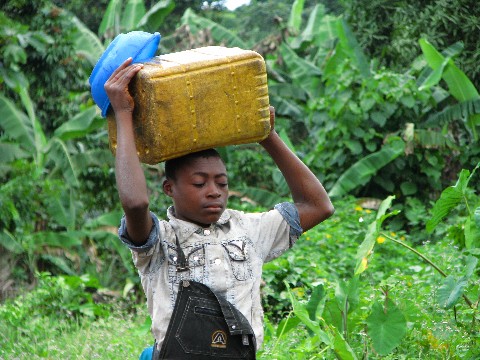
The Rhema Grace Orphanage is located near Tiko Cameroon. The orphanage is home to 54 children. The University of Alaska Anchorage Engineers Without Borders (EWB-UAA) student chapter has been involved with the orphange for over two years. They are currently in the project implementation phase, where they plan to install a hand pump for extracting clean drinking water and perform kitchen upgrades in the summer of 2010.

To learn more about the project please visit: http://ewbuaa.uaa.alaska.edu/Projects.html

Contributions

The Denali 2010 Rhema Grace Orphanage Climb is trying to raise money to assist the UAA-EWB in their efforts to provide sustainable solutions to improving the quality of life at the orphanage.

Please consider contributing to our cause. All proceeds go directly to the UAA-EWB Rhema Grace Orphanage project.

Suggested donation amount is $1.00 per 1000ft elevation. The elevation of Denali is 20,320ft = $20.32 (Any amount is appreciated, the .32 helps us identify donations from the charity climb).

To donate to the project please visit:
https://www.ewb-usa.org/donate.php?fund=4&chapter=871

The Climbing Team

Ivan Chikigak-Steadman - Ivan is a lifelong Talkeetna resident and recent UAA graduate. He is currently traveling through SE Asia. He enjoys the outdoors and spending time in his hometown, Talkeetna.
Garrett Yager -Garrett is a former president of the EWB-UAA chapter. He is originally from New Mexico and has lived in Alaska for 8 years. He currently lives in Anchorage with his wife Jamie and his son Liam.
Jason Robinson - Jason is a UAA grad who also has strong ties to Talkeetna where he attended high school with Ivan. Jason works for Volunteers of America and lives in Anchorage with his wife Jamie and his children Kaden and Brooke.
Chris Love - Chris, who is originally from Michigan now calls Talkeetna home. The mountains and rivers are his office where he works as a flyfishing/river guide and teaches for the Alaska Avalanche School. Chris is also an EMT for the Talkeetna Fire Dept. officially giving him the title "Team Medic".

Saturday, April 17, 2010

UAA-EWB Update


I just received an update from the UAA-EWB team.

They have submitted the preliminary design report for the water catchment system and the ventilating stove system for approval from the national project manager. The original cooking facility was over an open pit fire, located inside the kitchen which posed health concerns as the smoke would just collect inside (see picture). They have been working on the designs with local professional engineers do develop the most efficient and sustainable systems possible.

The team is working on the final design report and preparing to travel in August for the implementation trip. They are working with our liaison in Cameroon, Peter Njodzeka (founder and director of LWDG-Cameroon, a nonprofit organization devoted to clean water development in Cameroon) to find available materials for the project. Determining materials that are available for construction dictates much of the design.


To learn more about the project and their progress please visit their webpage:


Tuesday, April 13, 2010

Training Weekend at Reed Lakes


We finally got the entire team out for a weekend of training up in the Reed Lakes basin in the Talkeetna Mountains. We hauled just about all the gear we have accumulated thus far on our back and in our sleds. Saturday was a beautiful April morning, then the clouds rolled in for the afternoon. It got pretty chilly that evening, but nothing like we will see on the mountain. We woke to a couple inches of new snow on Sunday morning. Chris gave us some great avalanche tips, and Ivan enlighten everyone with stories from last years attempt on what and what not to do on the mountain.


We will have to be prepared for crevasses when we travel on the glaciers. Crevasses are large voids (cracks) in the ice and form where the glacier is turing or going over a hill. They can be very deep and have been known to swallow many unfortunate climbers. As a precaution, we will be roped together so that if someone falls into a crevasse, the other climbers can stop the fall and pull them out. This requires practicing crevasse rescue. The rescue techniques consist of setting snow or ice anchors and constructing a pulley system to gain a mechanical advantage to pull the fallen climber out. We practiced setting up these systems and pulling each other out of a ravine. We also practiced traveling on rope teams and the communication necessary for safe and efficient travel.


Most importantly, we bonded as a team and gained the confidence that we can survive in the cold Alaskan wilderness together.